




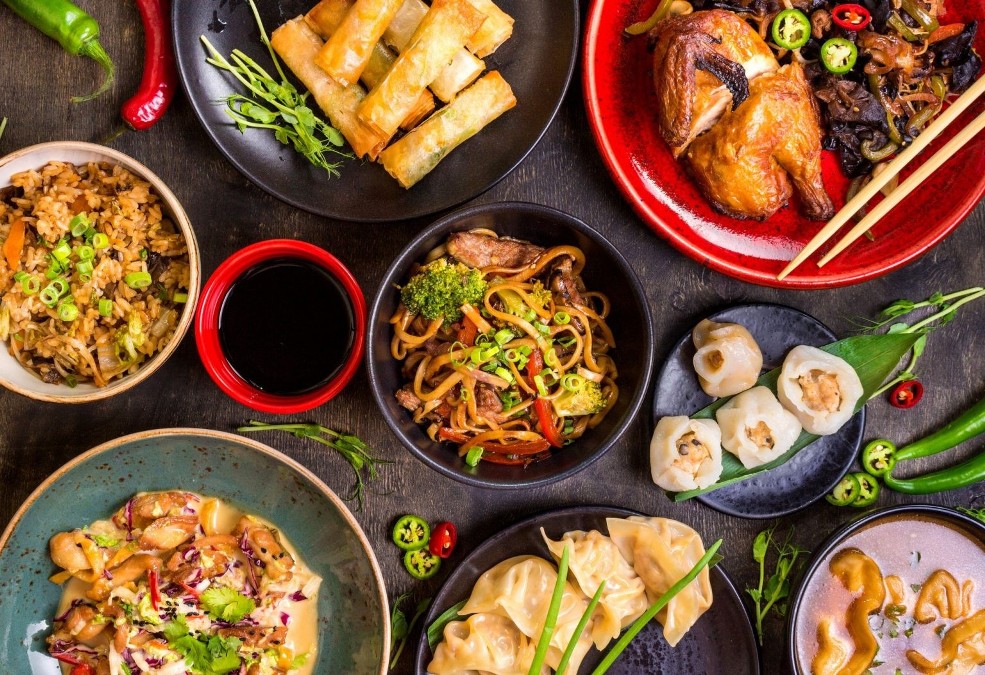
Chinese cuisine represents one of the world’s most diverse and sophisticated culinary traditions, yet many people’s experiences remains limited to familiar takeout dishes. With eight major regional cooking styles, thousands of years of culinary evolution, and ingredients that span from delicate seafood to bold spices, authentic Chinese food offers flavors and techniques that extend far beyond sweet and sour pork or General Tso’s chicken.
This guide will introduce you to the rich world of Chinese cuisine, exploring regional specialties, essential ingredients, and cooking methods that define this remarkable food culture. Whether you’re curious about trying new dishes at your local Chinese restaurant or interested in cooking authentic Chinese food at home, understanding these fundamentals will transform your appreciation for this ancient culinary art.
The Eight Great Cuisines of China
Chinese cuisine divides into eight major regional styles, each shaped by geography, climate, and local ingredients. These distinct culinary traditions offer vastly different flavor profiles and cooking techniques.
Sichuan Cuisine: The Land of Spice
Sichuan province produces some of China’s most recognizable dishes, famous for their bold use of chili peppers and Sichuan peppercorns. The signature “mala” flavor combines numbing spice with intense heat, creating a unique sensation that tingles on the tongue.
Popular Sichuan dishes include mapo tofu, kung pao chicken, and twice-cooked pork. The region’s hot pot culture has also gained international popularity, allowing diners to cook fresh ingredients in spicy, aromatic broths.
Cantonese Cuisine: Subtle and Fresh
Originating from Guangdong province, Cantonese cooking emphasizes fresh ingredients and subtle flavors. This style prioritizes the natural taste of ingredients rather than masking them with heavy spices or sauces.
Dim sum represents perhaps the most famous Cantonese contribution to world cuisine. These small plates, traditionally served during teatime, include steamed dumplings, rice rolls, and delicate pastries that showcase the region’s emphasis on technique and presentation.
Hunan Cuisine: Fiery and Aromatic
Hunan province shares Sichuan’s love of spicy food but approaches heat differently. Hunan dishes tend to be purely spicy without the numbing sensation of Sichuan peppercorns, often incorporating smoked and cured ingredients that add depth to fiery flavors.
Representative dishes include orange beef, spicy crispy duck, and chairman Mao’s red-braised pork, which reportedly was the communist leader’s favorite dish.
Essential Ingredients in Chinese Cooking
Chinese cuisine relies on a pantry of fundamental ingredients that create the complex flavors found across different regional styles. Understanding these basics helps decode menus and appreciate the cuisine’s depth.
Soy Sauce Varieties
Not all soy sauces are created equal. Light soy sauce provides saltiness and umami without darkening dishes significantly, while dark soy sauce adds color and a slightly sweet, molasses-like depth. Some regions also use sweet soy sauce, which contains added sugar and creates glossy, caramelized finishes.
Rice Wine and Vinegars
Shaoxing rice wine appears in countless Chinese recipes, adding complexity and helping tenderize proteins. Chinese black vinegar, made from rice, wheat, or sorghum, provides a mellow acidity that balances rich, fatty dishes without the sharpness of Western vinegars.
Aromatics and Spices
Ginger, garlic, and scallions form the holy trinity of Chinese aromatics, appearing in dishes across all regional styles. Star anise, cinnamon, and Sichuan peppercorns contribute to five-spice powder, while fermented black beans add deep, salty complexity to sauces and marinades.
Traditional Cooking Methods
Chinese cooking employs specific techniques that maximize flavor while preserving texture and nutritional value. These methods, refined over centuries, distinguish authentic Chinese food from westernized interpretations.
Stir-Frying (Chao)
Perhaps the most recognizable Chinese cooking method, stir-frying requires high heat and constant motion to cook ingredients quickly while maintaining their texture. Proper stir-frying creates “wok hei” – the breath of the wok – a smoky flavor that can only be achieved through intense heat and skilled timing.
Steaming (Zheng)
Steaming preserves the natural flavors and nutrients of ingredients while creating tender textures. From delicate fish to fluffy buns, steaming plays a crucial role in Chinese cuisine, particularly in Cantonese cooking where it showcases ingredient quality.
Red-Cooking (Hong Shao)
This braising technique uses soy sauce, sugar, and rice wine to create deeply flavorful, mahogany-colored dishes. Red-cooked pork belly and red-cooked fish represent classic examples of this method, which develops rich, complex flavors through slow cooking.
Regional Specialties Worth Trying
Exploring authentic Chinese restaurants reveals dishes that rarely appear on typical takeout menus but represent the true soul of Chinese cuisine.
Northern Specialties
Beijing’s culinary scene offers Peking duck, served with thin pancakes, scallions, and sweet bean sauce. Hand-pulled noodles demonstrate the artistry of northern wheat-based cuisine, while jianbing (Chinese crepes) provide popular street food experiences.
Eastern Delicacies
Jiangsu and Zhejiang provinces contribute refined dishes like beggar’s chicken, wrapped in lotus leaves and clay before slow-cooking, and West Lake fish in vinegar gravy, which balances sweet and sour flavors with delicate fish.
Western Flavors
Beyond Sichuan’s spicy reputation, western China offers unique ingredients like yak meat and highland barley, creating hearty dishes adapted to mountainous climates and high altitudes.
Navigating Chinese Restaurants
Understanding menu organization and ordering customs enhances the Chinese dining experience. Traditional Chinese meals balance flavors, textures, and colors across multiple shared dishes rather than individual entrees.
Reading Chinese Menus
Many authentic restaurants organize menus by cooking method or main ingredient rather than Western categories like appetizers and entrees. Look for sections dedicated to cold dishes, soups, vegetables, and different preparation styles.
Ordering Strategy
Chinese meals typically include a soup, several main dishes with different proteins and vegetables, and rice or noodles. The general rule suggests ordering one dish per person plus one extra, ensuring variety in flavors and textures.
Getting Started with Chinese Cooking at Home
Home cooks can begin exploring Chinese cuisine with a few essential tools and ingredients, gradually building skills and pantry items as interest develops.
Basic Equipment
A carbon steel wok provides the best heat distribution for stir-frying, though a large skillet works for beginners. A bamboo steamer, rice cooker, and sharp cleaver complete the basic Chinese kitchen setup.
Building Your Pantry
Start with light and dark soy sauce, sesame oil, rice wine, and cornstarch for thickening sauces. Add dried shiitake mushrooms, Chinese dried chilis, and fermented black beans as you become more adventurous with recipes.
Your Journey into Chinese Cuisine Begins
Chinese food encompasses far more than the familiar dishes found at neighborhood takeout restaurants. From the fiery complexity of Sichuan cooking to the refined subtlety of Cantonese cuisine, this culinary tradition offers endless opportunities for exploration and discovery.
Start by visiting authentic Chinese restaurants in your area, asking servers for regional specialties or chef recommendations. Try cooking simple dishes at home, beginning with basic stir-fries before progressing to more complex techniques. Most importantly, approach Chinese cuisine with curiosity and openness – each dish tells a story of regional culture, seasonal ingredients, and culinary wisdom passed down through generations.
The world of authentic Chinese food awaits your discovery, promising flavors and experiences that will expand your culinary horizons far beyond anything you’ve encountered in a takeout container.